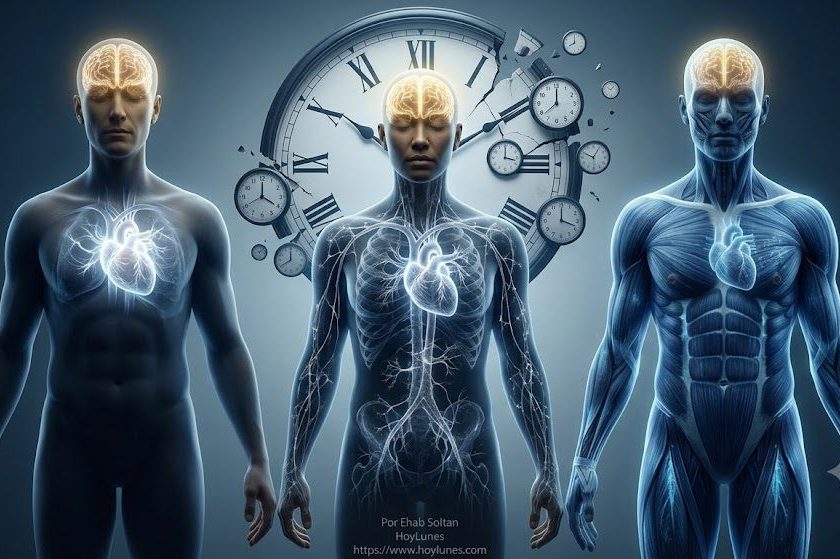
From visible touch-ups to cellular regulation: how European aesthetic medicine is crossing the border between perception, biology, and longevity, and why this redefines its role within the healthcare system in 2026.
By Ehab Soltan
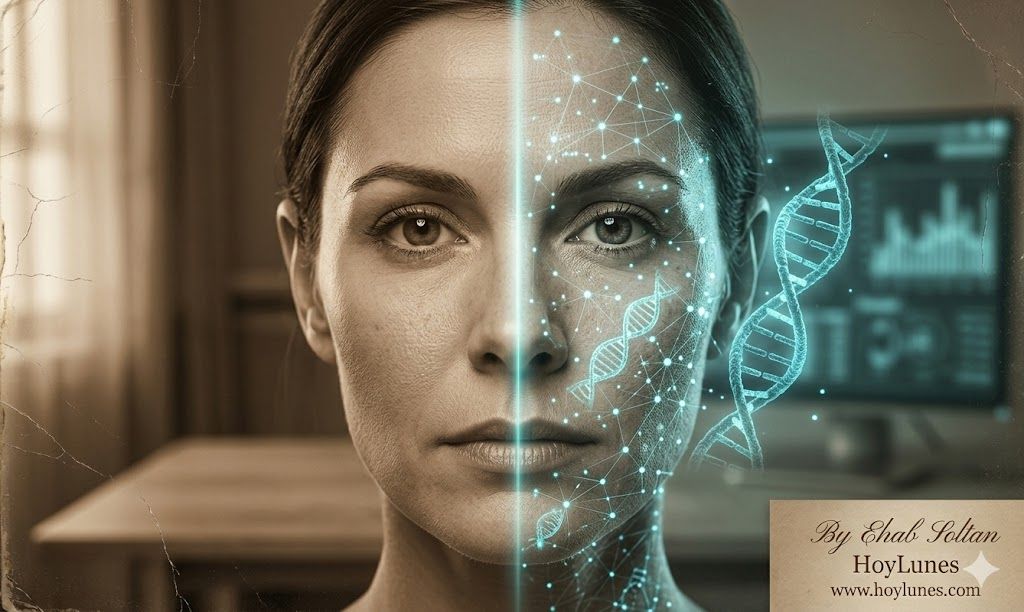
HoyLunes — There was a time when aesthetic medicine was explained through the mirror. Today, that narrative is insufficient. In 2026, we find ourselves facing a silent but radical transition: the discipline has stopped focusing exclusively on correcting forms to begin “conversing” with cells. It no longer seeks simply to fill a groove, but to decipher why the tissue has lost its self-repair capacity.
Aesthetic medicine is transforming into the medicine of cellular longevity. It is beginning to consolidate as a relevant node within a complex network of biomarkers and tissue regeneration. What was once an isolated procedure is today a gear in systemic health.
From the Needle to the Algorithm: Where Aesthetic Medicine is Heading in Europe
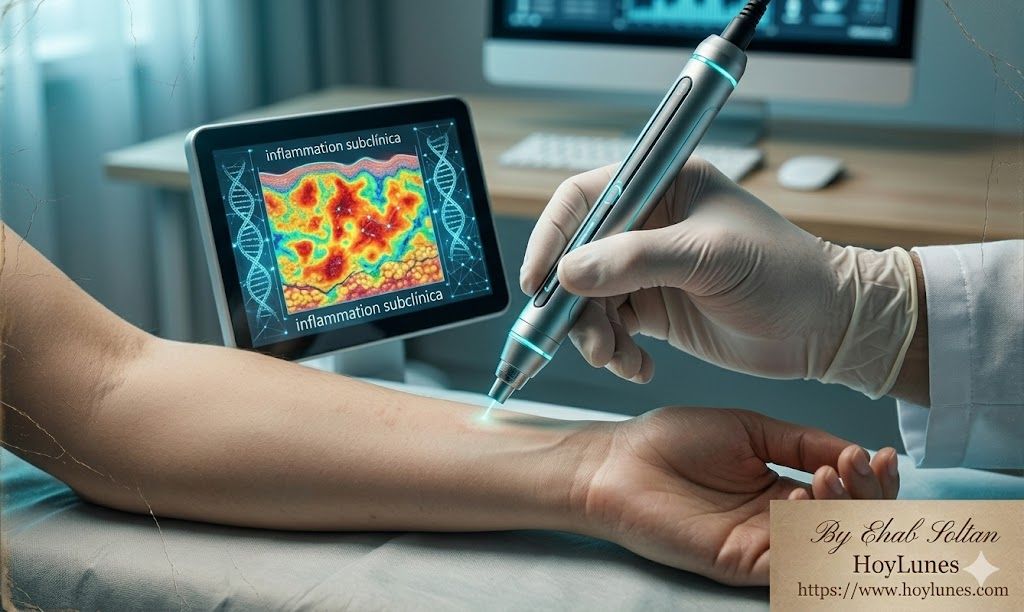
Europe leads a technical transition where the doctor’s hand is no longer the sole protagonist. Hyperspectral imaging and predictive artificial intelligence allow treatment to begin long before the needle touches the skin.
We are moving from a medicine of “reaction” to one of “foresight.” In this new scenario, algorithms capable of analyzing skin patterns, subclinical inflammation, and responses to previous treatments do not replace clinical judgment but rather endow it with mathematical precision. Recent studies on mechanotransduction—that is, how pressure, tension, or injection act as physical signals that modify cellular behavior—suggest that the application of actives is not just chemistry; it is biological signaling that commands the body to behave in a younger and more efficient way. European aesthetics in 2026 is not measured in milliliters of product, but in the ability to reprogram the patient’s biological response.
Health or Perception? The Silent Conflict of Modern Aesthetic Medicine
Here lies the intellectual tension of our decade: Are we treating the skin or are we managing identity? If aesthetic medicine improves the biological function of the skin barrier, we are looking at an act of health. However, if we only intervene in the subject’s perception, we enter shifting sands.
The current conflict is not technical, but conceptual. Science is proving that dermal health directly influences psychological well-being through the skin-brain axis. Research in neurodermatology indicates that the improvement of physical appearance is associated with reductions in cortisol levels, strengthening the general immune response. Therefore, the division between “medical health” and “visual aesthetics” is becoming increasingly blurred and increasingly difficult to sustain in practical terms.
If intervening improves biology but arises from subjective discomfort, are we treating a medical problem or responding to a sophisticated cultural pressure?
The Role of Organizations in Consolidating the New Framework
The sector is beginning to articulate spaces where this transformation stops being an intuition and becomes a shared criterion. Initiatives driven by professional organizations such as the SEME (Spanish Society of Aesthetic Medicine) serve a key function: they do not only group specialists, but also facilitate the translation of innovation into real clinical practice. These encounters operate as validation points where aesthetic medicine redefines its language, aligning research, technique, and professional responsibility.
To support this interpretive framework, it is worth observing three documented realities:
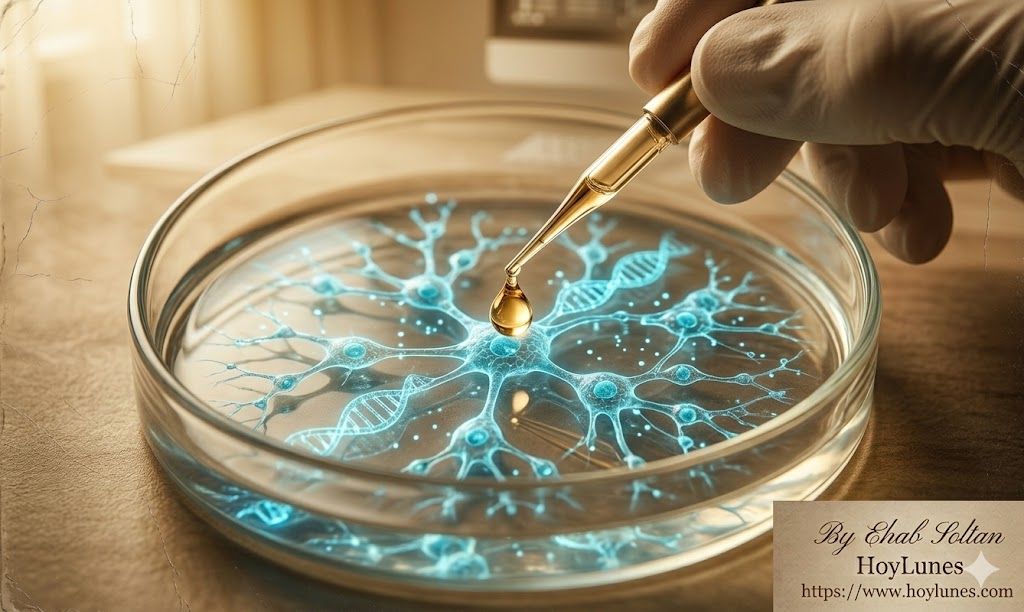
Targeted Biostimulation: Research on polynucleotides shows that the focus is no longer on volume, but on the regeneration of cellular DNA.
Genomic Personalization: The analysis of genetic polymorphisms now determines which treatment will be effective or rejected by the body before applying it.
Biological Sustainability: Success is measured today by “functional naturalness”, maintaining the elastic and metabolic properties of the tissue in the long term.
The language of 2026 is not that of correction, but that of regulation.
Aesthetic medicine no longer responds solely to what we see in the mirror, but to how the body interprets its own biological state over time.
The question is no longer what we can change, but to what extent we are willing to intervene in the mechanisms that define human aging.
#AestheticMedicine #RegenerativeMedicine #Longevity #HealthTech #SpanishSocietyOfAestheticMedicine #FutureOfHealth #HoyLunes #EhabSoltan